A Homeowner’s First Week With New Solar Monitoring
The monitoring display supplied with a new solar system is most useful when the owner understands what its individual readings represent.

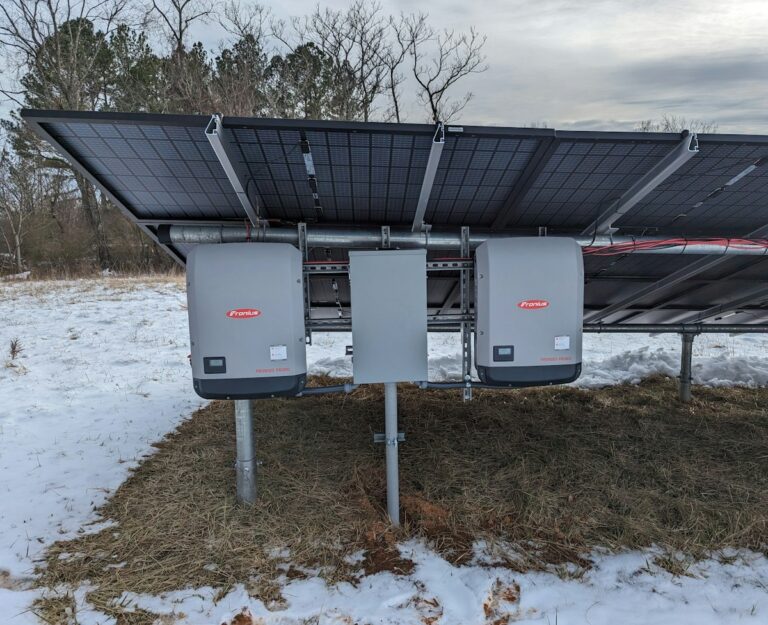
The monitoring display supplied with a new solar system is most useful when the owner understands what its individual readings represent.
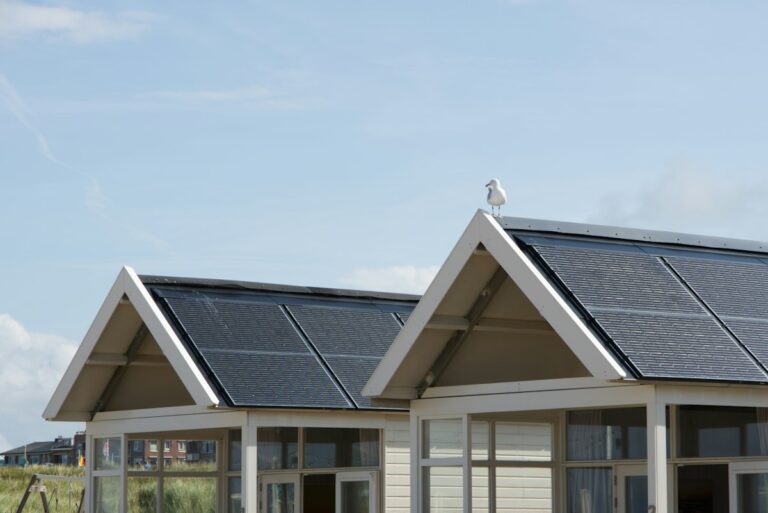
A solar installation can outlast the sales representative who arranged it. Clarify who will support the system and how problems will be handled before you accept an offer.

A lower reading on a solar monitoring display is not necessarily an equipment failure. A short record of circumstances can help a support team decide what needs checking.
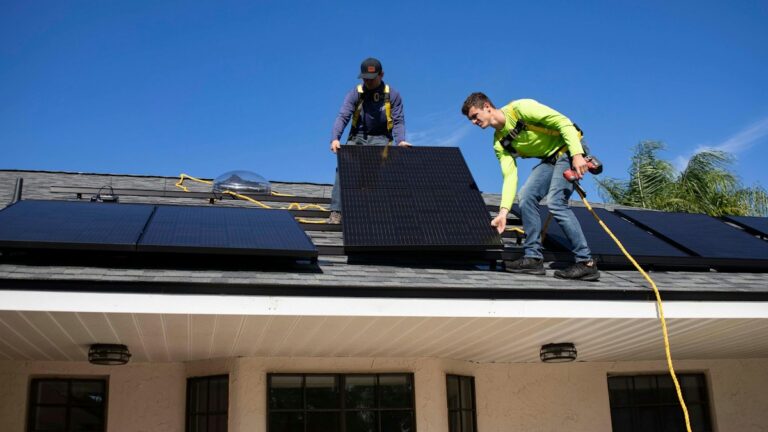
Installation day runs more smoothly when access, temporary interruptions and household routines are discussed before the crew arrives.

A house with roof sections facing different directions offers several design possibilities. The installation should be assessed as a complete electrical system rather than as a collection of available surfaces.
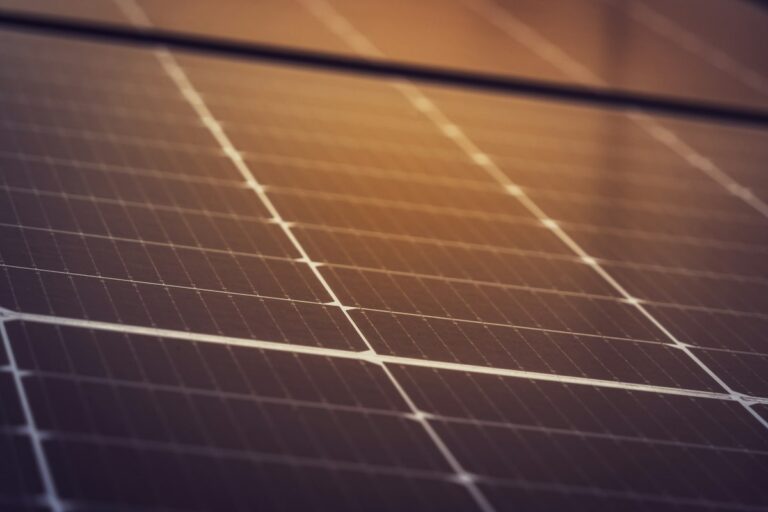
A solar panel datasheet can help identify the equipment and its rated characteristics. It does not, by itself, predict what the installed system will generate on a particular roof.
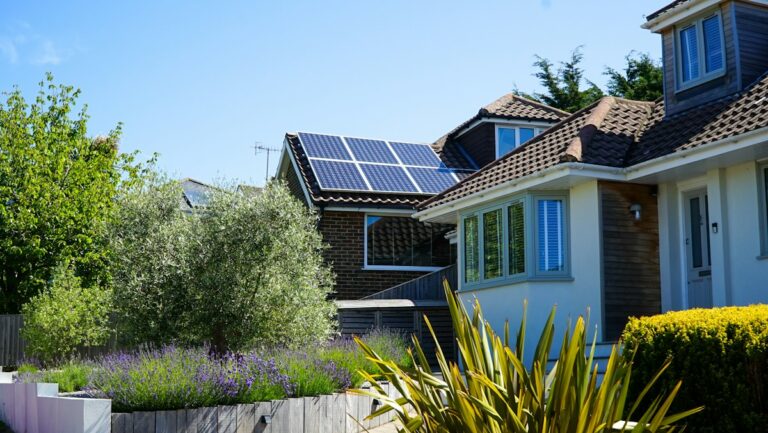
A solar projection is sensitive to when electricity is consumed. A household planning a change in work or family routines should ask how that affects the proposed benefits.
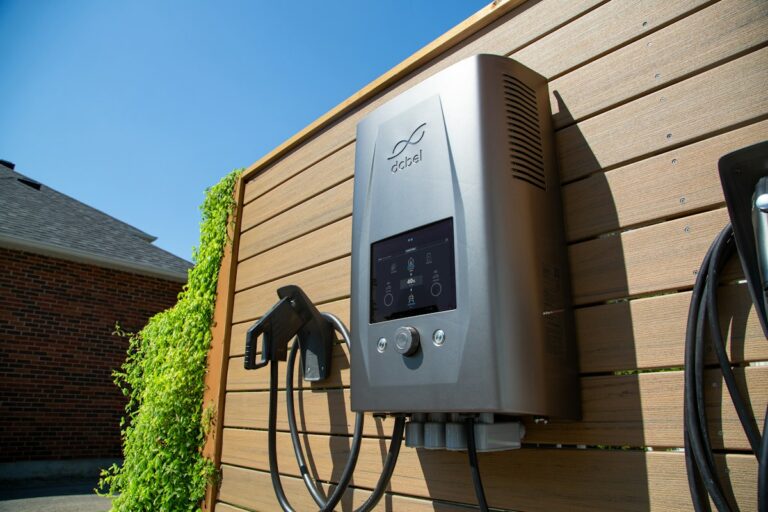
A battery proposal that mentions backup power needs to explain what will actually remain powered. Start with the household’s priorities during an outage.
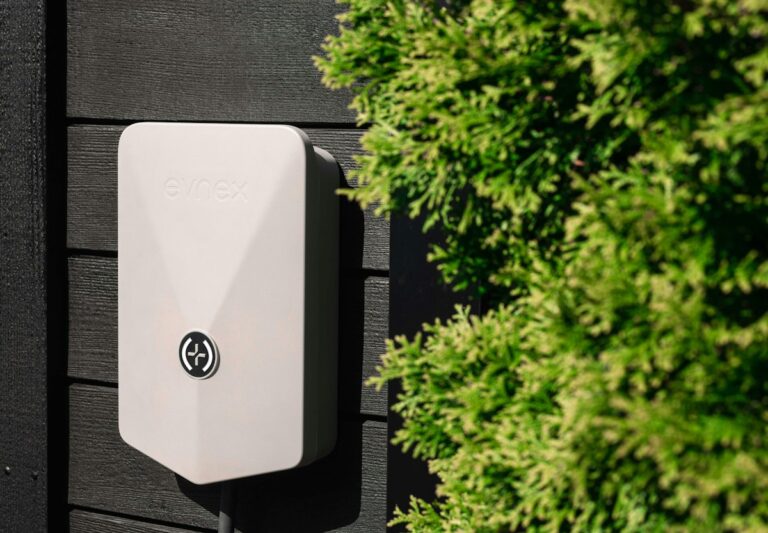
A monthly electricity total is a starting point, but a home battery proposal is more useful when it reflects the hours when electricity is actually used.
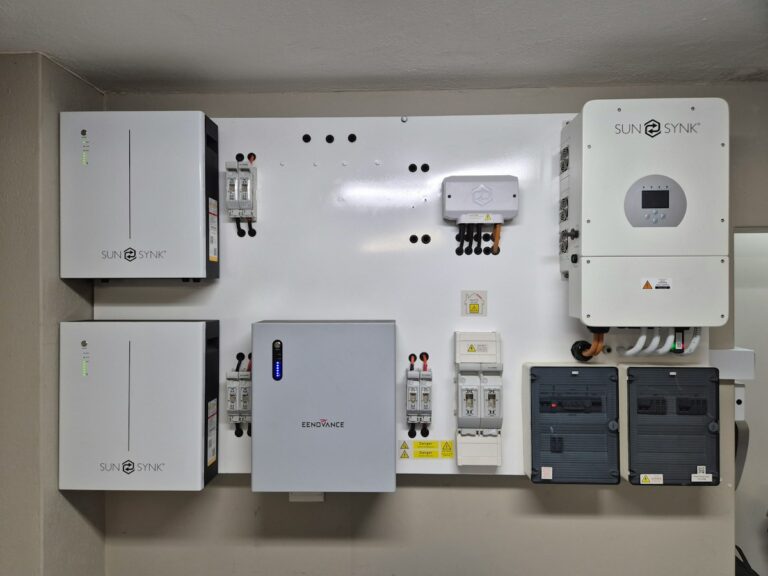
A battery system requires a suitable installation location, not merely an empty wall. Site constraints can influence equipment choice and the final scope of the job.