
What Solar Panel Datasheets Can and Cannot Tell a Homeowner
A solar panel datasheet can help identify the equipment and its rated characteristics. It does not, by itself, predict what the installed system will generate on a particular roof.
Collect the exact model references from each quote. Products sold under similar range names may differ, so keep the model number next to the supplier's specification. Ask the installer to explain which characteristics matter for the proposed site rather than choosing the panel with the longest list of impressive figures.
Panel size, output rating, operating conditions and compatibility with the proposed equipment affect the options available to the system designer. A higher nominal panel output does not automatically make a roof layout better if the dimensions or other constraints reduce the number of suitable positions.
Request the product warranty, performance warranty and installer workmanship terms alongside the technical sheet. Find out who handles a claim and what evidence will be needed. Warranty terms describe specified obligations and conditions, not a guarantee of a particular household bill.
Have the installer connect the selected models to a roof layout, generation estimate and service plan. Keep those documents after commissioning so future maintenance staff can identify what was installed. The most useful datasheet is one that supports a clear design decision, not one used as a shortcut around site assessment.
UK customers can request exact panel references and warranty documents before accepting equipment substitutions.
Energy Saving Trust — Battery storage
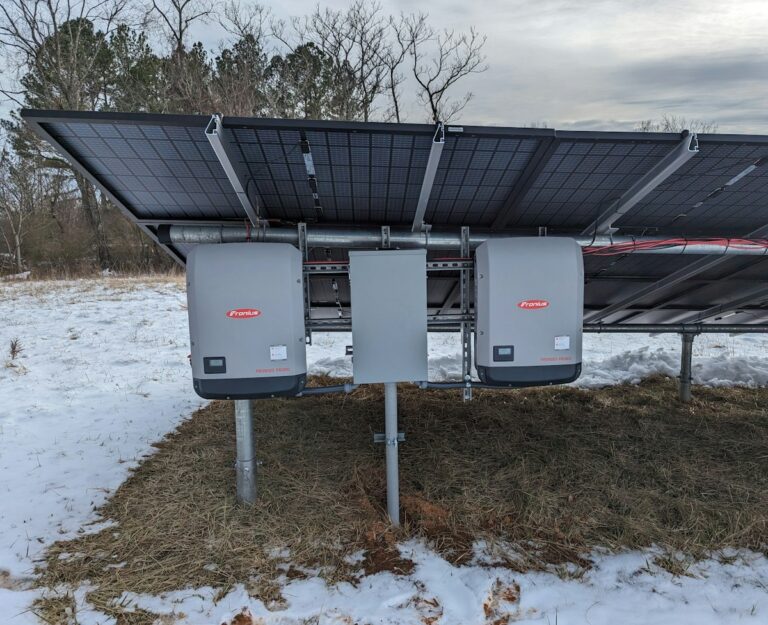
Photo: Michael Pointner / Unsplash. Stock image for context; not a photograph of a project reviewed in this article.