
Choosing the Household Circuits That Matter During an Outage
A battery proposal that mentions backup power needs to explain what will actually remain powered. Start with the household's priorities during an outage.
Make a list of essential functions rather than all installed appliances. Lighting, refrigeration, internet equipment and access devices may be more important to a particular household than running every large appliance at once. For medical equipment or other critical needs, arrange appropriate dedicated backup and professional advice; do not assume a residential solar battery is sufficient.
A qualified installer should explain whether the equipment can supply backup power, which circuits would be included and how the system behaves when the grid is unavailable. Request details about limits, switching arrangements and whether solar generation can replenish the battery under the proposed outage operating conditions.
The equipment's available power and stored energy constrain which devices can operate and for how long. Give the installer realistic examples of simultaneous use, and ask for a demonstration rather than relying on a single runtime claim. Avoid altering circuits or connecting backup equipment yourself.
At handover, obtain a simple explanation of the indicators, normal controls and support contacts. Ask the installer how to verify backup behaviour safely. A successful system is one whose limits the household understands before an outage occurs, not one whose capabilities are discovered during a power cut.
US households should discuss backup arrangements for critical equipment with the relevant specialists independently of a solar sales proposal.
US Department of Energy — Homeowner’s guide to solar
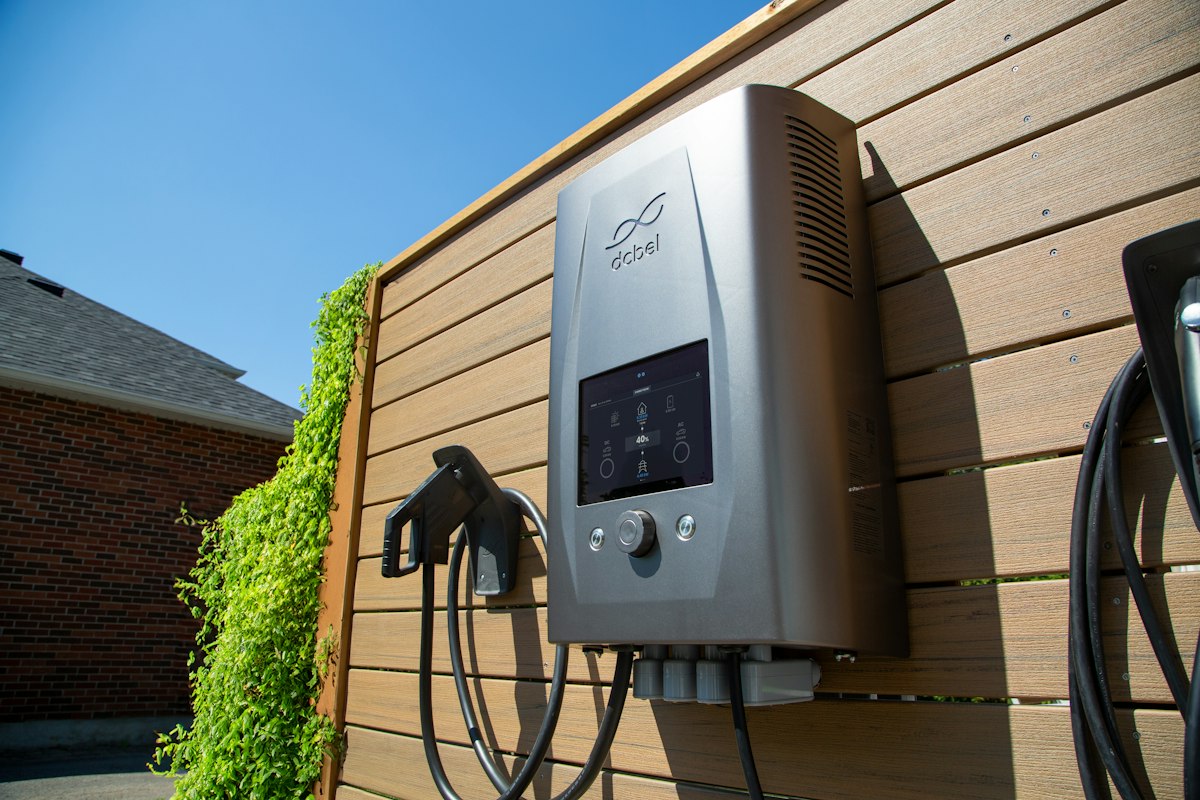
Photo: dcbel / Unsplash. Stock image for context; not a photograph of a project reviewed in this article.