Could Roof Shading Change the Size of Your Solar Investment?
A roof with plenty of space can still have uneven solar exposure. Before committing to a system size, ask how the installer will account for shade throughout the year.
Observe the roof from ground level during the morning and afternoon. Trees, chimneys, neighboring buildings and roof features can create shadows that move during the day. Do not climb onto the roof to investigate. Note whether nearby vegetation changes with the seasons or might grow into the path of sunlight later.
A system proposal should explain the proposed panel positions and assumptions about shading. Request the estimated output for the actual layout, with the site's orientation and roof conditions considered. Compare alternative layouts on the same basis rather than comparing only the number of panels or the nameplate system size.
Discuss any planned roof work or neighboring construction that may affect the installation. If tree work is suggested, consult a qualified arborist and check local restrictions before agreeing to it. Ask how the selected equipment deals with the conditions identified in the assessment, and what monitoring will be available after commissioning.
Annual generation estimates are subject to weather and other assumptions. Ask for those assumptions in writing and retain the layout drawing. A useful design is one that accounts for the property as it exists, rather than an ideal roof with uninterrupted sunlight.
For US homeowners, the Department of Energy’s homeowner guide is a starting point for evaluating site suitability.
US Department of Energy — Homeowner’s guide to solar
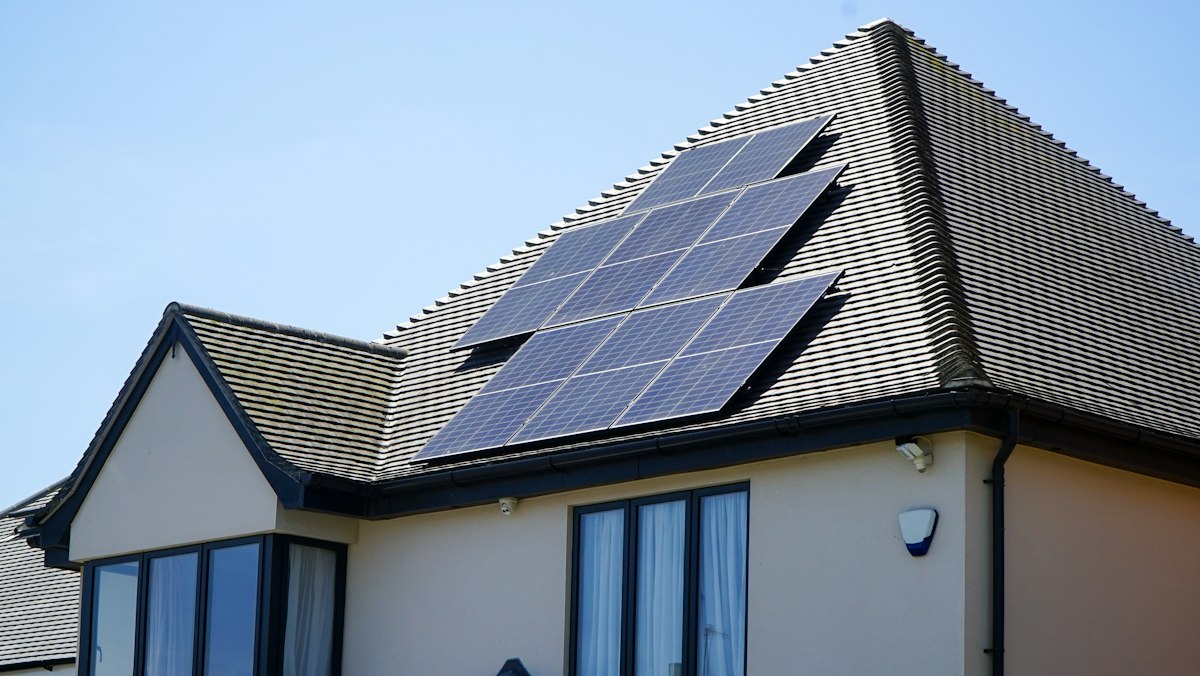
Photo: Watt A Lot / Unsplash. Stock image for context; not a photograph of a project reviewed in this article.