
Comparing Solar Payback Estimates When Your Daytime Routine Changes
A solar projection is sensitive to when electricity is consumed. A household planning a change in work or family routines should ask how that affects the proposed benefits.
Describe the existing pattern of occupancy and any likely change over the coming years. A person starting to work from home may use more electricity in daylight, whereas a household moving to daytime work outside the home may export more of its generation. Seasonal equipment and future electric appliances can change the picture again.
Request an estimate that distinguishes electricity used on site from electricity exported. Ask which supply tariff, export rate and expected generation are used. Tariffs and export arrangements vary by location and may change. An annual generation figure alone cannot determine the household's financial savings.
Request a realistic alternative scenario for changed daytime consumption and consider installation, finance, maintenance and potential equipment replacement costs. If comparing two proposals, supply the same bills and future assumptions to both installers. Check whether a quoted incentive actually applies at your address and time of purchase.
Save the proposal, relevant bills and assumptions. After installation, review actual imports, exports and system monitoring over representative periods. A projection is useful for comparing options, but it should not be treated as a promise that a future electricity bill will have a particular value.
In Australia, ask the installer to identify the electricity import and export rates used in the model rather than assuming a fixed future feed-in tariff.
Australian Government — Solar PV and batteries
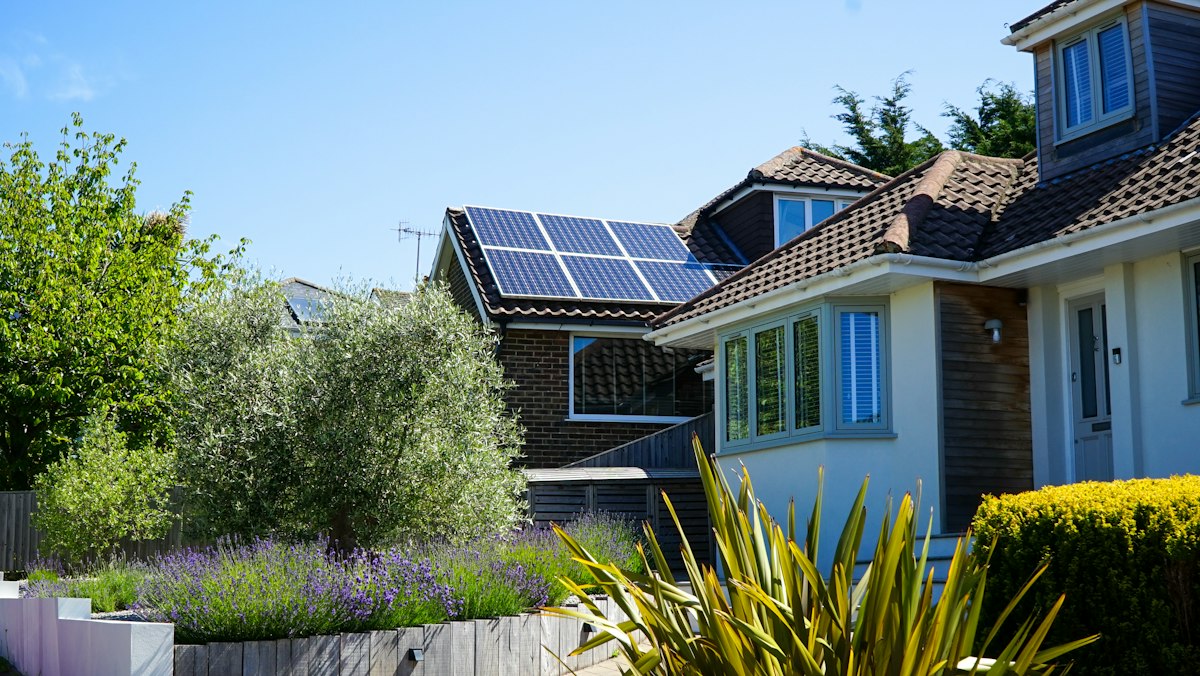
Photo: Watt A Lot / Unsplash. Stock image for context; not a photograph of a project reviewed in this article.